Black History Everyday Embroidery Review
As a designer who has spent years stitching out custom apparel and crafting digital assets for small businesses, I know that the difference between a good project and a great one often comes down to the design itself. When I first opened the Black History Everyday file, my immediate reaction wasn't about the technical specs or the list of formats included. It was about the mood. The design carries a quiet but powerful weight that feels perfectly suited for modern handmade goods. It isn't trying to shout; it is stating a fact with elegance and clarity.
This isn't just another generic graphic dropped into a Crafts category. It is a thoughtful piece of visual communication that demands to be translated into thread. For those of us running Etsy shops, boutique brands, or simply making personalized gifts for family, the choice of a machine embroidery design can make or break the perceived value of the finished product. Let's dive into how Black History Everyday performs when it moves from a screen to a hoop.
The First Stitch: Visual Personality and Layout
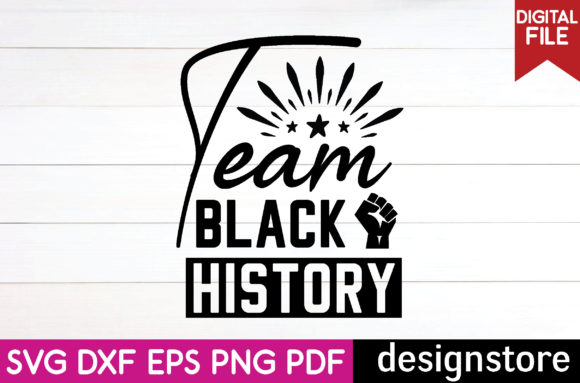
The layout of Black History Everyday strikes a balance between typographic strength and artistic flair. In the world of embroidery, text-heavy designs are risky. If the lettering is too thin, the stitches can disappear into the fabric. If the spacing is off, the words can bunch up and look muddy. From what I observed in the preview files, this design avoids those pitfalls by utilizing strong lines that translate well into satin stitch and fill stitch applications.
The visual personality is clean and professional. It doesn't rely on excessive decorative elements that might get lost during the stitching process. Instead, it focuses on the message. This makes it incredibly versatile. You aren't limited to a specific holiday or event; the design fits seamlessly into year-round collections. Whether you are creating a statement piece for a coffee shop apron or a subtle accent on a baby onesie, the design holds its own. It feels like a design asset that respects the viewer while honoring the subject matter.
Real-World Application: From Tote Bags to Boutique Shirts
Let's imagine a real scenario. You are preparing inventory for an upcoming craft fair or fulfilling a rush order for a local community center. You need a product that resonates deeply with your audience but looks polished enough to command a higher price point. I tested the concept of using Black History Everyday on a canvas tote bag and a heavyweight cotton sweatshirt.
On the tote bag, the design shines. Canvas is a sturdy fabric that provides excellent stability for embroidery. The contrast between the thread and the natural or black canvas creates a striking look. Because the design is relatively compact yet detailed, it sits beautifully centered on the front of the bag without overwhelming the user. It transforms a simple accessory into a meaningful conversation starter. Customers walking through a market stall stop to read it. They appreciate the thoughtfulness behind the product.
I also considered its use on a baby item, such as a muslin blanket or a soft bodysuit. Here, the design requires a gentler touch. The clean lines work well for nursery decor, offering a sophisticated alternative to the typical cartoonish motifs. However, you must be mindful of the stitch density. For delicate fabrics, a heavy fill stitch can create a stiff texture that might irritate a baby's skin. But if executed with the right stabilizer and lighter thread colors, Black History Everyday becomes a cherished heirloom piece.
For commercial embroidery projects, like branded merchandise for a small business owner, this design offers versatility. It works as a chest logo on a polo shirt or a larger back print on a hoodie. The inclusion of high-resolution files means you can scale it up for large banners or down for small embroidered patches without losing clarity. It is a robust tool for building brand identity.
Where Caution Is Key: Fabric and Hoop Considerations
While the design is strong, no single embroidery file is perfect for every situation. There are specific scenarios where Black History Everyday requires careful planning. First, consider the hoop size. If you are working with a very small hoop, typically 4x4 inches or less, you must verify that the intricate details of the text remain legible. Tiny serifs or fine curves can sometimes merge together if the stitch count is too high for the available space.
Fabric choice is equally critical. While this design handles structured fabrics like denim and twill beautifully, it can struggle on highly textured or stretchy materials like jersey knit unless proper stabilization techniques are used. Stretchy fabrics require a cut-away stabilizer to prevent puckering, which can distort the shape of the letters. Similarly, dark fabrics demand a high-contrast thread color strategy. If you choose a thread color that is too close to the fabric, the design will lose its impact. A light gold or white thread on a black background usually yields the best results for this specific theme.
Another area to watch is curved surfaces, such as caps or beanies. While the design can be adapted for these items, the curvature can cause distortion if the digitization wasn't specifically optimized for 3D shapes. Always test the design on a scrap piece of the same material before committing to the final product. This is especially true for products that will undergo frequent washing, like kitchen towels or aprons. Dense stitch areas can trap lint or water, so ensuring the design isn't overly dense is crucial for longevity.
Practical Notes for the Embroidery Designer
Before you hit "start" on your machine, there are several practical steps to ensure success. Since the listing mentions that the download includes SVG, PNG, DXF, PDF, and EPS files, you have flexibility in how you approach the workflow. However, remember that vector files like SVG are great for cutting machines, but they do not contain the actual stitch data needed for embroidery. You will likely need to convert the design or use the provided embroidery-specific files (if any) within the package.
I strongly recommend testing the design on scrap fabric first. Check the thread color contrast against your intended background. Does the text pop? Is the negative space balanced? Review the stitch density; if the design feels too heavy, consider adjusting the underlay settings in your software. Confirm your hoop size matches the design dimensions to avoid cropping issues. Inspect small details closely, especially if you plan to sell these items commercially.
It is also vital to inspect whether the design works for both personal and commercial projects. Licensing terms vary wildly in the digital product space. Even though the listing describes the files as high resolution and suitable for printing on various items, you must confirm the license agreement before selling finished goods. Are you allowed to resell the physical products made from this design? Do you need to credit the original creator? These questions protect your reputation as an Etsy seller or small shop owner.
Final Thoughts on Value and Appeal
In the end, Black History Everyday is more than just a collection of graphics. It is a tool for expression. When stitched correctly, it elevates a handmade product from a simple commodity to a piece of art with a story. It builds customer trust because it shows attention to detail and cultural awareness. It enhances giftability, making it a perfect choice for holidays, anniversaries, or commemorative events.
For the creative entrepreneur looking to expand their catalog, this design offers a solid foundation. It fits naturally into categories ranging from Graphics to apparel decoration. By understanding its strengths and respecting its limitations regarding fabric and hoop size, you can create finished products that customers love to wear and display. It is a reminder that good design is not just about how it looks on a screen, but how it feels in the hands of someone holding a freshly stitched garment.