Hangry Funny Definition SVG Embroidery Review
As a designer who spends more time judging stitch density than reading design briefs, I approach every new digital asset with a mix of optimism and skepticism. The market is flooded with "ready-to-use" files, but few survive the transition from screen to fabric without losing their soul—or worse, tangling in the hoop. That is why I took Hangry Funny Definition SVG for a spin before recommending it to my network of craft business owners and hobbyist embroiderers. This isn't just about whether the file opens; it is about whether the design translates into a product that customers will actually wear, use, and love.
First Impressions: Mood and Visual Personality
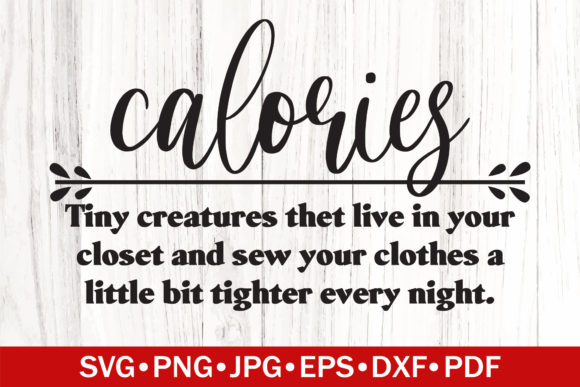
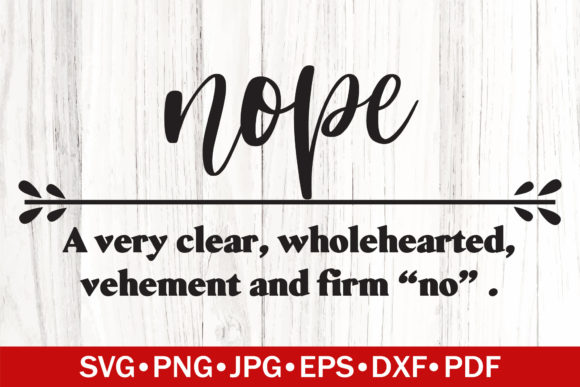
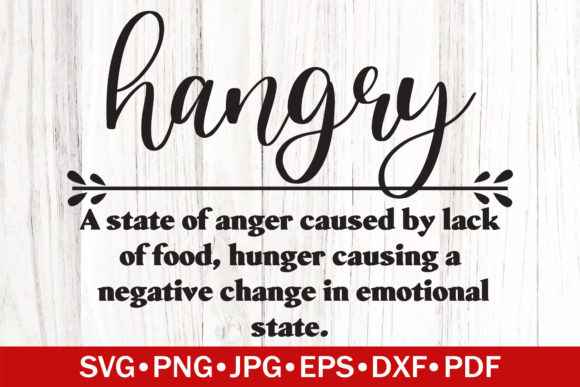
The moment you load Hangry Funny Definition SVG, the intent is clear. It taps into a very specific, highly relatable emotional state: the universal experience of being "hangry." In the world of handmade goods, relatability sells. This design does not try to be subtle. It leans into humor, which makes it an excellent candidate for casual wear, gifts, and novelty items. The layout appears balanced, suggesting a strong focal point that will hold up well under the tension of embroidery threads. Unlike overly intricate floral patterns that can look muddy when stitched, this design relies on clear shapes and readable text, which are critical for maintaining visual integrity in a finished product.
From a branding perspective, this file fits naturally into the Crafts and Graphics categories because it serves as a versatile design asset. It is not merely a picture; it is a statement piece. For an Etsy seller or a small shop owner, this means the product has built-in conversation value. When someone wears a sweatshirt with this design, they are signaling a sense of humor and self-awareness. That emotional connection is what drives engagement and repeat purchases in the handmade market.
Real-World Application: Where This Design Shines
I evaluated how Hangry Funny Definition SVG performs across various common embroidery project types. The versatility of the included formats—SVG, PNG, EPS, JPG, PDF, and DXF—means this file can adapt to multiple production methods, though its primary strength lies in machine embroidery.
- Custom Apparel: This design is ideal for sweatshirt embroidery or t-shirt projects. The humorous tone pairs perfectly with heavy cotton blends or fleece materials often used in cozy winter wear. Placing it on the chest or back creates a bold, recognizable graphic that stands out against textured fabrics.
- Tote Bags and Aprons: A tote bag design featuring this phrase adds personality to everyday carry items. Similarly, placing it on kitchen aprons turns a functional tool into a fun gift. The durability of the stitching ensures it withstands the frequent washing these items endure.
- Baby and Nursery Items: While "hangry" might seem intense for a baby, the playful nature of the design works well for humorous parent-child sets. Imagine a matching set where the parent wears the adult version and the child wears a simplified motif. This strategy boosts personalized gift appeal and increases average order value.
- Holiday and Seasonal Gifts: Food-related humor is evergreen, making this suitable for holiday embroidery projects, particularly around Thanksgiving or Christmas when family dynamics and food intake are top-of-mind topics.
For commercial embroidery professionals, this file offers high perceived value with relatively low complexity. It allows you to produce quick-turnaround products for craft fairs or online listings without spending hours digitizing from scratch. As a small shop product, it helps maintain a consistent brand voice that is lighthearted and accessible.
Technical Considerations and Stitch Clarity
When reviewing any digital embroidery file, the devil is in the details. While I cannot verify the exact stitch count or internal structure without opening the specific vector layers, the visual outline of Hangry Funny Definition SVG suggests a smart use of space. Designs that rely heavily on running stitch for text and fill stitch for background elements tend to have better longevity than those relying solely on dense satin stitches, which can pucker lightweight fabrics.
The inclusion of DXF and SVG formats is a significant advantage. These vector-based files allow for precise scaling, ensuring that the stitch density remains appropriate regardless of the final size. However, designers must remain vigilant. If the text elements are too small, they may become illegible after stitching. Always inspect the smallest letters and curves. If the design includes fine details, consider simplifying them during the digitization phase if necessary to prevent thread breaks or loss of definition.
Thread color selection plays a crucial role here. Because the design is text-heavy, contrast is key. Using high-contrast thread colors against the fabric background ensures readability. For example, white or bright yellow text on a dark navy or black garment will pop significantly more than low-contrast combinations. Test your thread colors on scrap fabric to see how the dye interacts with the material texture.
Where to Use Carefully
Not every surface is created equal. There are specific scenarios where Hangry Funny Definition SVG requires extra caution:
- Small Hoop Sizes: If you are working with limited hoop real estate, ensure the design scales down without losing critical details. Tiny lettering can easily merge together, creating a blob rather than a word.
- Textured and Stretchy Fabrics: Materials like ribbed knits or heavy wools can distort the shape of the design. Use a proper stabilizer to support the fabric and prevent shifting during the stitching process.
- Curved Surfaces: Applying this to caps or curved hat fronts requires careful hooping techniques. The flat nature of the design might not follow the curvature of the cap seamlessly, potentially causing gaps or tension issues.
- Frequent Washing: For items like kitchen towels or work aprons, ensure the design is anchored securely. Loose ends or insufficient tie-offs can lead to fraying over time, affecting the professional appearance of the finished product.
Designer’s Checklist Before Production
Before committing to a full production run or listing this as an Etsy seller item, I recommend following this practical workflow:
- Test on Scrap Fabric: Never assume a design will work perfectly. Stitch a sample to check for thread breaks, puckering, or alignment issues.
- Review Stitch Density: Ensure the design is not too dense for the chosen fabric. Heavy density on thin fabric can cause damage or visible backing through the front.
- Confirm Licensing: Verify the terms of use. Determine if the license permits commercial embroidery sales of finished goods or if it is restricted to personal use only. This is vital for protecting your craft business from legal issues.
- Create Printable Mockups: Use the PNG or JPG versions to create realistic previews for your online store. High-quality mockups help buyers visualize the handmade product on real people, increasing conversion rates.
- Inspect Black and White Versions: Convert the design to grayscale to check for contrast balance. If the design looks muddy in black and white, it may lack the punch needed for embroidered applications.
Final Verdict
Hangry Funny Definition SVG is a solid addition to any designer’s library of design assets. It strikes a balance between humor and simplicity, making it accessible to a wide audience. Whether you are creating a custom apparel line, crafting a unique personalized gift, or stocking your boutique with trendy accessories, this file provides a reliable foundation for creativity. Its multi-format compatibility ensures it can fit into various workflows, from direct-to-garment printing concepts to detailed machine embroidery projects. By paying attention to fabric choice, stabilizer usage, and thread contrast, you can transform this digital file into a tangible, marketable success. For the savvy maker looking to add a touch of wit to their portfolio, this is a smart, practical investment.